
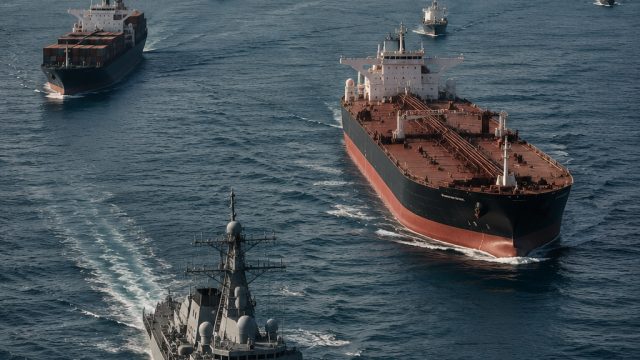
The Strait of Hormuz, a vital waterway for global shipping, is currently witnessing a significant increase in maritime traffic. This surge comes at a time of heightened tensions related to nuclear monitoring agreements in Iran. As the stakes rise, it is essential to understand the implications of this developing scenario for global trade and security.
The Importance of the Strait of Hormuz
Connecting the Persian Gulf with the Gulf of Oman, the Strait of Hormuz is one of the world's most crucial maritime corridors. Approximately 20% of the world's oil passes through this narrow channel, making it a strategic point for energy transport. Recent reports indicate a steady rise in shipping volumes, which signals a complex interplay of economic and geopolitical factors.
Current Shipping Trends
- As of recent weeks, shipping traffic has increased significantly in the Strait of Hormuz.
- Oil tankers and cargo vessels are navigating the waters in greater numbers, despite the accompanying tensions.
- Industry experts suggest that this uptick in maritime activities reflects a resilience in global trade logistics.
Political Landscape and Its Impact on Trade
The geopolitical environment surrounding the Strait of Hormuz is fraught with uncertainty. Iran's recent declarations regarding the closure of the waterway have raised alarms across the international community. Such claims highlight not only the volatile situation in the region but also the direct consequences for global oil prices and supply chains.
Conflicting Reports and Their Implications
Conflicting reports emanating from Iran regarding nuclear inspections have further complicated the situation. As countries await clarity on these developments, the global market is left to ponder the potential disruptions to oil supply:
- Iran has indicated no imminent plans for UN nuclear inspector visits.
- Shipping analysts predict fluctuations in crude oil prices depending on the clarity and stability of the situation.
- Potential sanctions or military escalations could affect shipping routes and insurance rates.
Preparing for the Unknown
In light of the current circumstances, stakeholders in the shipping and oil sectors are urged to remain vigilant. Understanding the dynamics at play in the Strait of Hormuz is crucial for making informed decisions. Here are some strategies for businesses and individuals affected by these developments:
- Monitor updates from reliable news sources to stay informed about changes in shipping conditions.
- Consider diversifying supply routes to mitigate risks associated with potential disruptions.
- Engage in discussions with logistics partners to prepare contingency plans.
Conclusion
The increasing maritime traffic in the Strait of Hormuz amidst rising tensions serves as a reminder of the delicate balance between trade and security. As global economies rely heavily on this critical shipping lane, the implications of these developments will be felt far beyond the region. Stakeholders must stay informed and agile in their strategies to navigate these turbulent waters effectively.