
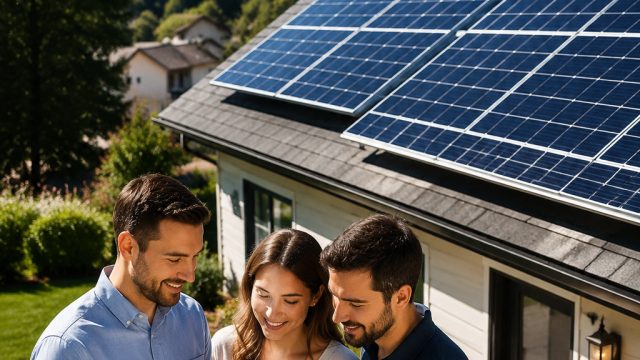
The landscape of renewable energy is undergoing a significant transformation, particularly in the realm of residential solar power. The introduction of subscription models for rooftop solar technology is emerging as a game-changer, making solar energy more accessible and affordable for homeowners. With these innovative solutions, families can now harness the sun's power without the hefty upfront costs traditionally associated with solar panel installations.
Understanding Subscription-Based Solar Energy
Subscription models for solar energy are designed to eliminate the financial barriers that often deter homeowners from investing in solar technology. Instead of purchasing solar panels outright, customers can subscribe to a service that allows them to benefit from solar power for a monthly fee. This approach not only simplifies the process of going solar but also offers flexibility and convenience.
How Does It Work?
Here's a breakdown of how a typical subscription model operates:
- Monthly Payments: Homeowners pay a fixed monthly fee to utilize solar energy generated from a shared solar facility or rooftop panels installed on their homes.
- No Upfront Costs: Unlike traditional solar installations that require significant initial investment, subscription services allow homeowners to avoid these costs entirely.
- Maintenance and Repairs: The subscription service usually covers maintenance and repair costs, making it hassle-free for users.
- Contract Flexibility: Many subscription models offer short-term contracts, allowing homeowners to opt-out or switch services if their needs change.
Why This Model Matters Now
As energy costs rise and the urgency of climate change increases, the need for sustainable energy solutions has never been more critical. Subscription-based solar energy offers several advantages that align with the current demands of consumers and the environment.
Economic Benefits for Homeowners
One of the most immediate benefits of adopting a subscription model for solar energy is the potential for significant cost savings. Here are some of the financial advantages:
- Lower Energy Bills: Homeowners can reduce their monthly energy expenses as they rely on solar power, which is generally cheaper than grid electricity.
- Predictable Budgeting: With a fixed monthly fee, homeowners can budget for energy costs without worrying about fluctuating utility rates.
- Potential Incentives: Some subscription models may offer tax incentives or rebates that can further lower costs, making solar energy even more attractive.
Environmental Impact
Switching to solar energy through a subscription model also contributes positively to the environment by:
- Reducing Carbon Footprint: Utilizing renewable energy helps decrease greenhouse gas emissions, making a positive impact on climate change.
- Encouraging Renewable Energy Growth: Subscription models can increase the demand for solar power, leading to more investments in renewable energy technologies.
- Promoting Sustainable Practices: By making solar power accessible to more homeowners, these models encourage a shift toward sustainable energy consumption.
Challenges and Considerations
While the benefits of subscription-based solar energy are compelling, there are also challenges that homeowners should consider before subscribing:
- Contract Terms: Homeowners must carefully review the terms of the subscription agreement to understand their obligations and any potential fees.
- Availability of Services: Not all areas may have access to subscription solar services, so homeowners should investigate local providers.
- Long-Term Value: Depending on the subscription model, some homeowners may question the long-term cost-effectiveness compared to owning their solar systems outright.
Conclusion: A Step Towards Sustainable Living
The introduction of subscription models for solar energy presents a remarkable opportunity for homeowners seeking sustainable and cost-effective energy solutions. By removing financial barriers, these models make it easier for families to adopt renewable energy technologies. As the urgency for climate action grows, making solar energy accessible to a broader audience is crucial. Embracing this trend not only benefits individual homeowners but also contributes to a greener, healthier planet for future generations.