
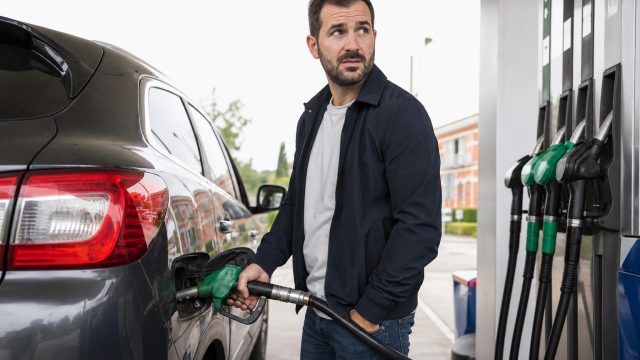
As gas prices continue to surge at an unprecedented rate, many drivers are reevaluating their automotive habits. The economic climate has forced consumers to respond in innovative ways, changing how they view fuel consumption, vehicle maintenance, and driving behavior. This article delves into the current trends among drivers and highlights the essential adjustments they are making to mitigate the financial impact of rising fuel costs.
Understanding the Current Fuel Price Trends
In recent months, fuel prices have soared, leaving many drivers feeling the pinch at the pump. According to the latest reports, the national average for gasoline has reached levels not seen in years. This dramatic increase can be attributed to various factors, including geopolitical tensions, supply chain disruptions, and seasonal demand shifts.
The Economic Impact on Driver Behavior
With higher fuel costs, drivers are reconsidering their travel and commuting habits. Here are some notable changes observed across the country:
- Carpooling and Ride-sharing: Many drivers are opting for carpooling arrangements to share the burden of fuel expenses. This not only reduces costs but also minimizes the environmental impact.
- Public Transportation: Increased fuel prices have led to a resurgence in the use of public transit. Many commuters are choosing buses and trains over personal vehicles, cutting down on fuel expenses significantly.
- Altered Driving Routes: Drivers are planning their routes more carefully, avoiding unnecessary travel and optimizing their journeys to save fuel.
Efficient Vehicle Maintenance as a Cost-Saving Measure
In response to the rising costs, vehicle maintenance has become more critical than ever. Keeping a vehicle running efficiently can help mitigate fuel consumption and expenses. Here are some maintenance tips that drivers are focusing on:
- Regular Oil Changes: Ensuring that oil is changed regularly can improve engine performance and fuel efficiency.
- Tire Maintenance: Properly inflated tires reduce rolling resistance, leading to better fuel economy. Drivers are checking tire pressure more frequently to optimize efficiency.
- Engine Tune-ups: Regular tune-ups can help maintain optimal engine performance, enhancing fuel efficiency and reducing emissions.
Alternative Driving Habits to Save Fuel
To further offset the impact of fuel price increases, drivers are adopting various driving habits aimed at conserving fuel. These practices include:
- Smoother Acceleration and Braking: Gentle driving reduces fuel consumption, as abrupt acceleration and hard braking can lead to higher fuel use.
- Utilizing Cruise Control: When suitable, using cruise control on highways can maintain a consistent speed, improving fuel efficiency.
- Reducing Excess Weight: Clearing out unnecessary items from the vehicle can reduce weight and improve fuel economy.
Exploring Alternative Fuel Options
As traditional fuel prices fluctuate, many drivers are exploring alternative fuel options. Hybrid and electric vehicles are becoming increasingly popular as consumers seek ways to reduce their dependency on gasoline. The growing availability of charging stations and advancements in battery technology are making these vehicles more appealing.
The Role of Technology in Fuel Efficiency
Modern technology plays a vital role in helping drivers monitor and improve their fuel efficiency. Many vehicles now come equipped with fuel economy trackers and driver assistance features designed to enhance fuel-efficient driving. Additionally, mobile apps can assist drivers in finding the cheapest fuel prices nearby, further supporting their efforts to save at the pump.
Conclusion: Adapting to New Realities
The rise in fuel prices is more than a financial burden; it is a wake-up call for drivers to reevaluate their automotive habits and strategies. From embracing public transportation to implementing consistent vehicle maintenance practices, adapting to these changes is crucial. By adopting more fuel-efficient driving habits and considering alternative fuel options, drivers can navigate the current landscape and mitigate the impact of rising fuel costs. Staying informed and proactive is key to ensuring a smoother journey in these challenging economic times.