
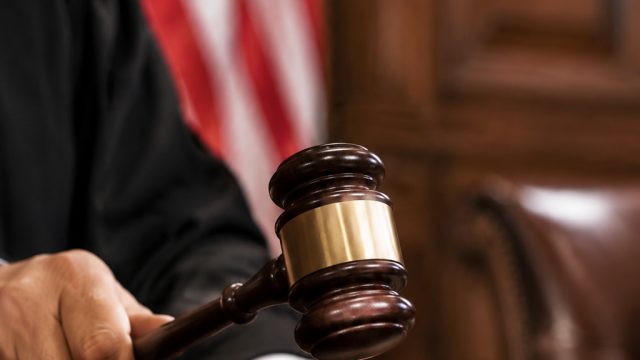
Federal Ruling Halts Citizenship Checks in Voter Registrations
A significant legal development has emerged in the realm of voter registration and election integrity, as a federal judge has ruled against the use of a contentious database intended to verify the citizenship status of voters. This ruling highlights ongoing concerns about the integrity of the electoral process and the potential for wrongful disenfranchisement of eligible voters.
The Ruling Explained
The judge's decision effectively blocks the Trump administration's plans to utilize a federal citizenship database in an effort to streamline voter roll maintenance. The court expressed concerns that the database could lead to erroneous purges of voters from the rolls, particularly affecting minority communities and those who may lack proper documentation even if they are citizens.
Legal Implications
This ruling has substantial implications for how states manage their voter registration processes. The court emphasized that voter suppression tactics, even under the guise of maintaining election integrity, could undermine democratic participation.
Impact on Election Integrity
Supporters of the decision argue that ensuring fair access to the electoral process is essential for a healthy democracy. By blocking the use of the federal database, the judge aims to protect citizens from unwarranted questioning of their eligibility to vote based on faulty data.
The Broader Context
This ruling is part of a larger narrative surrounding voter rights and the measures states take to secure their elections. In recent years, various states have adopted stricter voter ID laws and registration requirements, often justified by claims of widespread voter fraud. However, studies have consistently shown that such fraud is exceedingly rare.
Historical Precedents
- The Voting Rights Act of 1965 aimed to eliminate barriers to voting.
- Recent legal challenges have questioned the constitutionality of various voter suppression laws.
- Cases across the nation highlight the ongoing battle for equitable access to the polls.
The Role of Technology in Voting
As technology becomes increasingly integrated into the electoral process, concerns about data accuracy and privacy also grow. Tools designed to enhance the voting experience can inadvertently lead to the exclusion of eligible voters if not implemented with care.
Public Reaction and Future Outlook
Reactions to the ruling have varied across the political spectrum. Advocates for voter rights have celebrated this decision as a victory, while opponents argue that it could hinder efforts to maintain clean voter rolls. The broader implications for upcoming elections remain to be seen, as states will need to find alternative methods to ensure the integrity of their voter registrations without compromising access.
Calls for Legislative Change
In light of this ruling, there are renewed calls for comprehensive reforms in how voter registration is handled nationally. Advocates suggest creating a standardized process that balances security with accessibility, ensuring that all eligible citizens have the opportunity to participate in elections without unnecessary barriers.
Looking Ahead
The recent ruling serves as a critical reminder of the importance of protecting voting rights in America. As the nation approaches the next election cycle, discussions around voter registration and the use of technology will be crucial in shaping how elections are conducted in the future.
Conclusion
The decision to block the use of the federal citizenship database marks a pivotal moment in the ongoing conversation about voter rights and election integrity. As we move forward, it is essential to prioritize fair access to the polls for all eligible citizens while ensuring that the electoral process remains secure and trustworthy. The outcome of this case may set significant precedents for future legislative efforts and the way electoral challenges are addressed in the United States.