
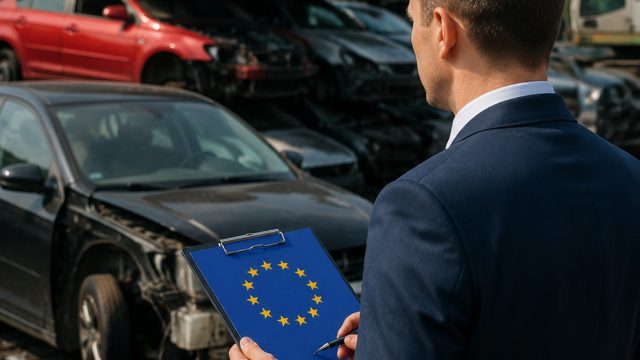
New 2026 EU Regulations Impacting End-of-Life Vehicles: What You Need to Know
The automotive industry is on the brink of significant change as the European Union prepares for the implementation of new regulations regarding end-of-life vehicles (ELVs) set to take effect in 2026. These regulations are part of a broader initiative to enhance sustainability and promote a circular economy, making it essential for industry stakeholders and consumers alike to understand the implications of these upcoming changes.
The Shift Towards Sustainable Automotive Practices
As environmental concerns grow, the EU has prioritized the reduction of waste and the promotion of recycling within the automotive sector. The new regulations aim to streamline the processes surrounding vehicle disposal and recycling, ensuring that ELVs are handled in a manner that minimizes environmental impact.
Importance of Recycling and Reuse
- Significant reduction in landfill waste.
- Conservation of natural resources through material recovery.
- Reduction of greenhouse gas emissions associated with vehicle production and disposal.
These measures are crucial as they not only decrease the environmental footprint of the automotive industry but also secure a sustainable future for vehicle production and use.
Key Changes in the 2026 Regulations
With the new regulations, several key changes are expected to reshape how end-of-life vehicles are processed. Here are some of the most significant updates:
Enhanced Recycling Targets
The EU is setting increased recycling targets for materials derived from ELVs. By 2026, the target for recycling will rise to 95% of the vehicle's weight, ensuring that a substantial portion of each vehicle is reused or recycled rather than sent to landfills.
Stricter Export Controls
To combat illegal dumping and ensure safe disposal practices, the new regulations will enforce stricter controls on the export of ELVs. Exporters will need to provide proof of compliance with recycling standards, minimizing the risk of vehicles being dumped in countries with lax environmental regulations.
Preparing for the Transition
As the automotive industry gears up for these changes, stakeholders must be proactive in adjusting their practices to align with the new regulations. Here are a few strategies to consider:
1. Educate and Train Staff
Organizations should invest in training programs for employees involved in the disposal and recycling processes to ensure they are familiar with the new regulations and best practices.
2. Collaborate with Certified Recyclers
Building relationships with certified recycling facilities will be vital. These partners can help ensure compliance with recycling targets and facilitate the proper disposal of hazardous materials.
3. Stay Informed on Regulatory Changes
Continuous monitoring of any updates or adjustments to the regulations will be crucial for companies to remain compliant and adapt their strategies accordingly.
Conclusion: Embracing Change for a Greener Future
The 2026 EU regulations on end-of-life vehicles present both challenges and opportunities for the automotive industry. By embracing these changes and prioritizing sustainable practices, stakeholders can contribute to a greener future while also navigating the shifting landscape of automotive regulations. Understanding and preparing for these changes is not just beneficial, it is imperative for continued success in a world increasingly focused on environmental responsibility.