
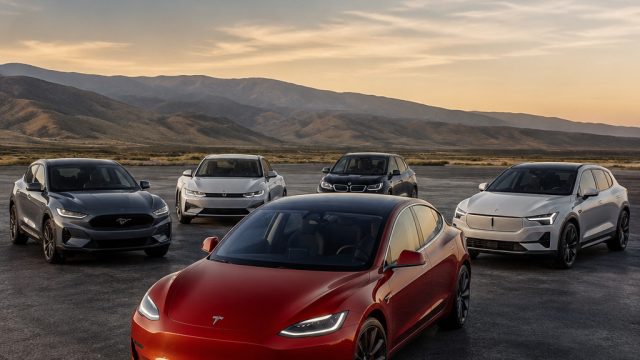
As the automotive industry shifts significantly towards electric vehicles (EVs), the competition among manufacturers has intensified. Tesla, a pioneer in this arena, continues to carve out its dominance amidst a surge of emerging competitors. This analysis sheds light on Tesla's current standing within the rapidly evolving EV market, exploring how it compares to both traditional automakers and new entrants.
The Rise of Electric Vehicles
The push for sustainable transportation solutions has never been more pressing. With global emissions targets tightening and consumer demand for eco-friendly options rising, more companies are turning to electric vehicles. This trend is not just about compliance; it's about capturing a growing market segment that values sustainability.
Tesla's Market Dominance
- Innovative Technology: Tesla is renowned for its cutting-edge technology, including advanced battery systems and autonomous driving features.
- Brand Recognition: The Tesla brand has become synonymous with electric vehicles, creating a loyal customer base.
- Supercharger Network: Tesla’s extensive global Supercharger network provides convenience for long-distance travel, enhancing its appeal.
Evaluating the Competition
While Tesla remains a leader, several competitors are making notable strides in the electric vehicle market. Established automakers and startups alike are investing heavily in EV development, striving to capture market share.
Traditional Automakers Embrace Electric
Major automotive brands such as Ford, General Motors, and Volkswagen are ramping up their electric offerings:
- Ford: The Ford F-150 Lightning showcases how traditional brands are leveraging their legacy models to penetrate the EV market.
- General Motors: GM aims to transition to an all-electric future, with ambitious plans for numerous EV models across various categories.
- Volkswagen: VW's ID. series aims to provide accessible electric options, targeting a broader audience.
Emerging Startups Challenge the Status Quo
New entrants to the market are not only innovating but also redefining what consumers expect from EVs. Companies like Rivian and Lucid Motors are gaining attention for their unique features and luxurious offerings:
- Rivian: With its focus on electric trucks and SUVs, Rivian appeals to adventure seekers and outdoor enthusiasts.
- Lucid Motors: Targeting the luxury segment, Lucid’s Air model offers impressive range and performance, aiming to rival Tesla's high-end offerings.
Consumer Preferences and Market Trends
The demand for electric vehicles is shaped by various factors, including consumer preferences and technological advancements. Key trends influencing the market include:
- Enhanced Range: As battery technology improves, consumers are becoming less concerned about range anxiety, making EVs more appealing.
- Affordability: Competitive pricing strategies among manufacturers are crucial as they strive to make EVs more accessible to the average consumer.
- Sustainability Concerns: Growing awareness of environmental issues is driving more consumers to consider electric options over traditional vehicles.
The Role of Incentives
Government incentives play a critical role in promoting electric vehicle adoption. Tax rebates, grants, and infrastructure investments are pivotal in encouraging consumers to make the switch to EVs.
Looking Ahead: The Future of Electric Vehicles
As competition intensifies, Tesla must continue to innovate and differentiate itself from its rivals. The future of the automotive industry will likely see:
- Increased Collaboration: Partnerships between technology firms and automakers may lead to cutting-edge advancements and improved user experiences.
- Expanded Charging Infrastructure: A robust charging network is essential for the mainstream acceptance of electric vehicles.
- Broader Model Offerings: Consumers will benefit from a wider variety of EV options, catering to diverse preferences and needs.
Conclusion
The electric vehicle market is more dynamic than ever, with Tesla leading the charge while facing stiff competition from established players and new startups. Understanding these changes is crucial for consumers looking to make informed decisions about their next vehicle purchase. Staying informed about advancements in the industry will ensure buyers are well-equipped to choose the best option for their needs.